
How to Raise Eco-Aware Children: Simple Green Habits and Greener Gifts
16 May 2018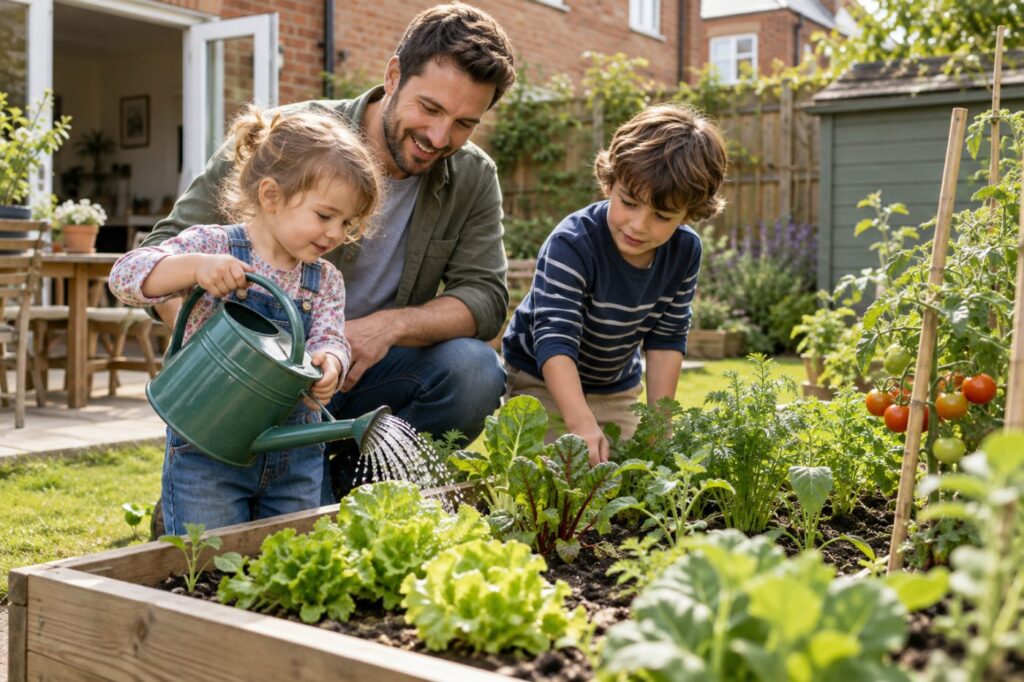
Children are naturally curious about the world around them. Whether it is watching insects in the garden, growing a first sunflower or splashing about in muddy puddles, there are plenty of ways to introduce them to looking after the environment without turning it into a lesson. This guide is a collection of practical, cheap and mostly enjoyable ways to help children grow up caring about the world around them, grouped so that you can dip in rather than feel you have to do everything. Most of it costs nothing. None of it requires organic groceries, an electric car or a perfect household, and if your child is still happily playing with a plastic dinosaur, that dinosaur is doing its bit too. The last section is about choosing toys and presents, which is the part we know something about as a shop, and about what “greener” does and does not mean.
Lead by example, lightly
Young children copy what they see far more than they absorb what they are told. If they watch you turn the tap off while you brush your teeth, put the peelings in the food caddy and take a bag to the shops, they will do the same, long before they could explain why. So the first step is simply to do the small things yourself, visibly, and to say a word about them now and again: “that goes in the recycling”, “we’ll walk, it’s not far”. No speeches. A child who hears about the climate every time they leave a light on learns to switch off in the other sense.
It helps to let them ask questions, and to answer honestly, including “I don’t know, let’s find out”. Children are very good at spotting the gap between what adults say and what they do, so it is better to be a family that tries than a family that preaches.
Have fun outdoors
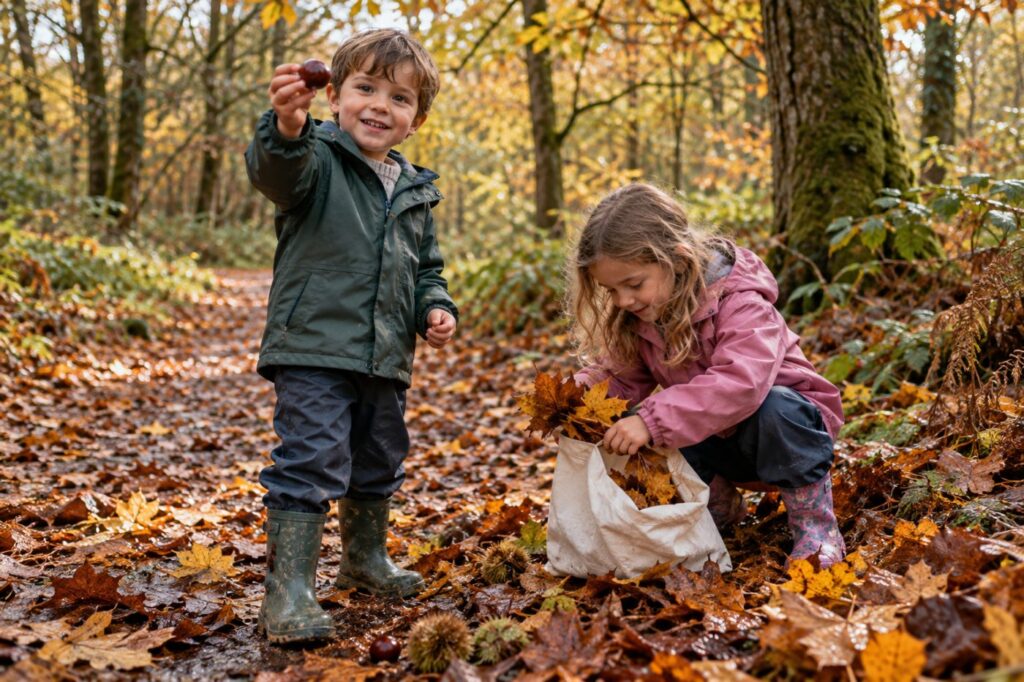
A child who enjoys being outside is far more likely to grow up wanting to look after it, and this is the easiest part of the whole subject because it is just going out. Parks, woods, beaches, canal paths, the scrubby bit at the end of the road: it does not have to be scenic. Pond dipping with a net and a shallow container (with an adult alongside), collecting a few conkers and acorns from the ground, building a den, lifting a log to see what lives underneath (and putting it back), feeding the ducks with the right food rather than bread, watching a nest box or a bird table through the winter. Older children can keep a nature diary or learn a few bird calls; younger ones just need wellies and permission to get muddy. Take a handful of what has fallen rather than armfuls, and leave growing plants where they are.
If there is a school or community group in your life that would like to plant something bigger, the Woodland Trust gives away free tree packs to schools and community groups across the UK (Northern Ireland has its own scheme), in packs of 15 to 420 saplings delivered in March and November. Planting a tree you can visit as it grows is about as memorable as environmental education gets.
Saving water and energy
These are the habits that stick for life, and children like them because they come with jobs and games attached.
Water. Turning the tap off while brushing teeth is the easiest habit to teach (a running tap gets through about six litres a minute). Shorter showers save water too, although a powerful shower running for ages can use more than a bath, so a shower timer, or a favourite song to finish before, makes it a bit more fun for older children. In the garden, a water butt and a watering can are the child-friendly options: filling a can from a butt is a job a four-year-old takes very seriously.
Energy. Lights off when you leave a room, and gadgets off at the plug rather than left on standby: the Energy Saving Trust has the figures, and they add up over a year. Put a child in charge of a “lights patrol” before bedtime and they will enforce it with more enthusiasm than you ever could. Washing at 30 degrees and hanging washing out on a dry day are the other two that children can help with and see the point of. We would skip the old advice about candlelit dinners to save electricity: a table full of small children and naked flames is not a saving worth making.
Reducing waste, reusing and repairing
This is the heart of it, and it is also the cheapest. The greenest thing in your house is almost always the thing you already own.
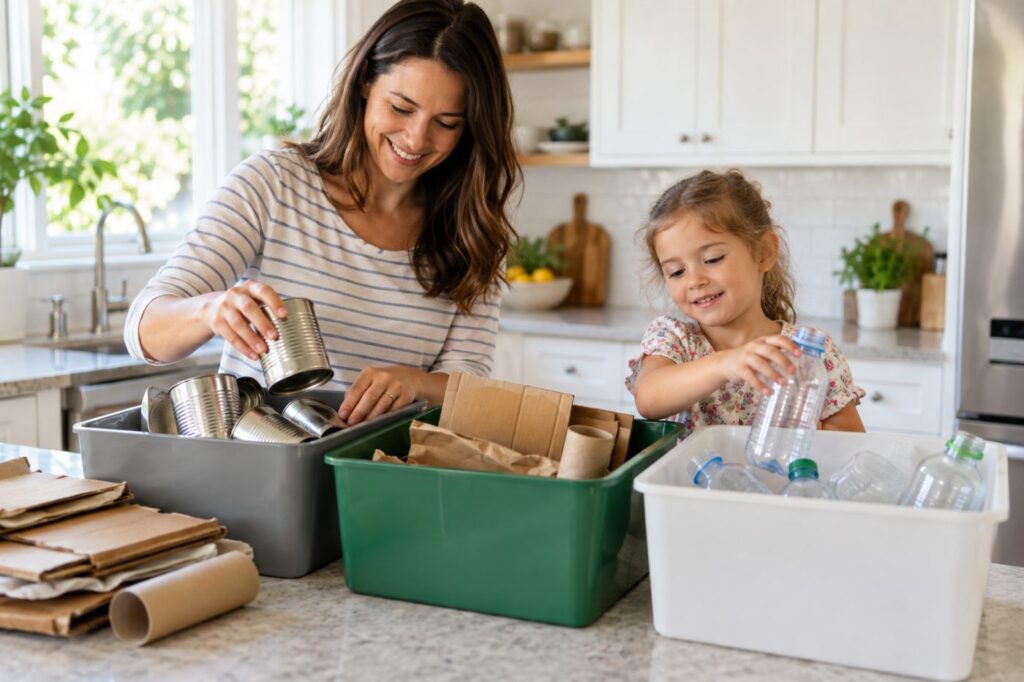
Recycling, properly. Most children enjoy sorting, so let them. Councils differ in what they collect, so check your own council’s list rather than guessing, and show children where things go and why: paper, cans, plastic bottles, and whatever your council takes from the kitchen. Rinsing a yoghurt pot and squashing a bottle are jobs a small child can do. Supervise the glass. The old idea of letting toddlers post bottles into the bottle bank for the satisfying smash is fun for the adult and not ideal for the toddler.
Food waste. If your council collects food waste, the caddy takes cooked food, meat, fish, dairy and plate scrapings as well as peelings. A home compost bin is for the raw stuff: fruit and vegetable peelings, coffee grounds, eggshells, grass cuttings and leaves, but not cooked food, meat or dairy, which attract rats. Tea leaves can go in too, but check the packaging before adding whole tea bags, as some contain materials that will not break down in a home bin. (Citrus peel is fine in moderation; the old rule that it cannot be composted at all is a myth.) Children love a compost bin: it is a science experiment with worms in it, and in a year it turns into something you can grow potatoes in.
Reuse and pass on. Outgrown clothes, shoes, books and toys that are clean and in good condition can go to a charity shop, a clothing bank, a school swap or a younger cousin. Take your child with you and let them hand things over; the idea that someone else will now enjoy their old things makes sense to most children very quickly. Charity shops are also a good place to buy children’s books and games, which is reuse in the other direction.
Repair before replacing. A wobbly toy, a torn book, a bike with a flat tyre: fixing things with a child, or letting them watch, teaches more than any amount of talk about waste. It does not have to be done well. Glue, a needle and thread and a puncture repair kit cover most of childhood.
Buy less, and buy things that last. This is the one most adults find hardest. A child with fewer, better toys plays with them more, and a good-quality toy that is played with for years and passed down to younger children is a far better use of resources than several that quickly break or get thrown away. England’s official waste-prevention approach puts it the same way: longer-lasting products, reuse and repair come before recycling. We say more about it in the gifts section below, because it cuts both ways for a shop like ours.
Growing things and wasting less food
You do not need a vegetable garden. A pot of cress on a windowsill, a strawberry plant in a tub, a potato in a bucket or some herbs by the back door are enough to teach a child where food comes from, and children are often more interested in trying food they have helped to grow (although there is no guarantee they will actually eat it). Carrots, tomatoes, peas, radishes and potatoes are the easy wins; sunflowers are the one for the competitive. Growing your own is not a guarantee of anything chemical-free, and we would not pretend otherwise, but a child who has pulled a carrot out of the ground has learned something no supermarket can teach.
Reducing food waste is another good place to start, and it saves money as well. Children can help plan meals, write the shopping list, check what is in the fridge before it goes off, and understand that “best before” is about quality and “use by” is about safety. Leftovers become tomorrow’s lunch; the ends of the loaf become breadcrumbs or bird food. You do not need to buy organic to teach any of this, and we would never suggest a family on a budget should feel guilty for not doing so.
Greener travel, where it is practical
Walking, scooting or cycling to school or to the shops, where it is safe and realistic, is good for everyone, and children who do it from the start simply see it as normal. Where it is not realistic, because of distance, weather, work or a rural road with no pavement, there is no point feeling bad about the car. The aim is to make the short trips on foot or by bike when you can, to try the bus or train for a day out so that children know how they work, and to treat the occasional car-free Saturday as an adventure rather than a sacrifice. Helmets on, lights on in the winter.
Choosing toys and presents thoughtfully
Here is where we have to be careful, because we sell toys and gifts, and the easiest thing in the world would be to tell you that ours are better for the planet. Nothing you buy is as green as something you do not buy, and a plastic toy that is already in the house and still being played with should stay in use, not be replaced with a wooden one to make a point. An “eco-friendly” label does not tell you very much unless the maker explains exactly what makes the product better for the environment; the Competition and Markets Authority’s Green Claims Code exists because so many companies used the word without saying.
So when you are buying a present for a child, the questions worth asking are simple:
- Will it last? That depends on how well it is made, not just what it is made of: a well-built plastic toy can last decades, and a toy that breaks in a week is waste whatever the material.
- Will it be used? A reusable water bottle a child takes to school every day replaces a great many disposable ones. A second bottle for a child who already has one replaces nothing.
- Can it be passed on? Toys that work for several children over the years, or that a family keeps, do the most good per pound.
- Who made it, and from what? Fair Trade is about the people who made it; recycled materials and responsible sourcing are about what it is made from; a low environmental impact is a claim about the whole life of the thing. They are three different questions, and a product can honestly answer one without answering the others.
Fewer, better presents can also make financial sense. A good wooden playset costs more than a plastic one, but if it is played with for years and then handed down, it works out cheaper than several cheaper toys that are forgotten by February.
Our experience: Lanka Kade and what we have learned
We have sold Lanka Kade wooden toys since Born Gifted started in 2003, so they have been part of our range for over twenty years, and they are the example we are happiest to give. Lanka Kade is a British company that has its toys handcrafted in Sri Lanka under Fair Trade conditions: it has been a member of the British Association of Fair Trade Shops and Suppliers since 2001 and follows the ten principles of Fair Trade. On the environmental side its published policy gives specific, checkable facts rather than slogans: the wooden toys are made mainly from rubberwood, a plantation timber usually taken from trees that have finished producing latex, with about 70% of the range in FSC-certified wood (some pieces use FSC-certified board rather than solid wood); goods travel from Sri Lanka to the UK by sea rather than air; and there are solar panels at the UK warehouse and the Sri Lankan wood-processing plant. We would not claim that every piece is FSC-certified, because it is not, and Fair Trade is not the same thing as a low carbon footprint. But between the materials, the making and the fact that these toys are built to be played with for years, they are the kind of purchase this guide is about.
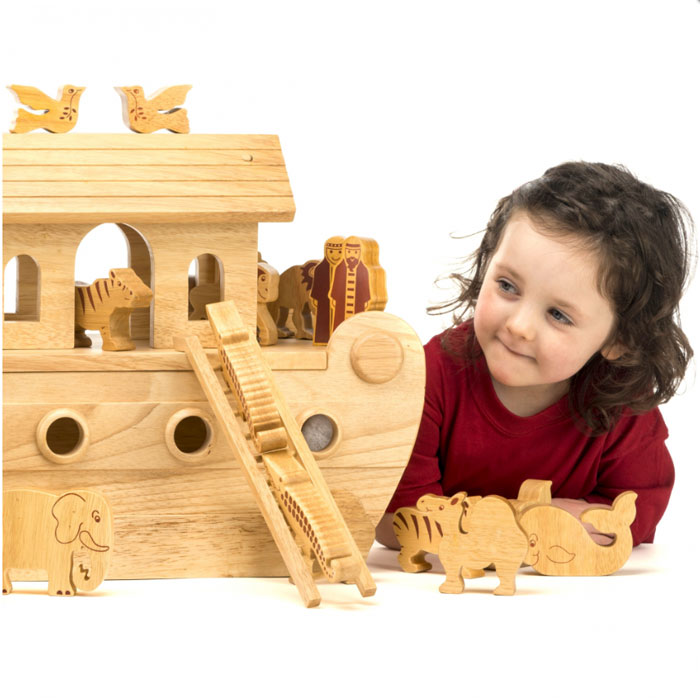
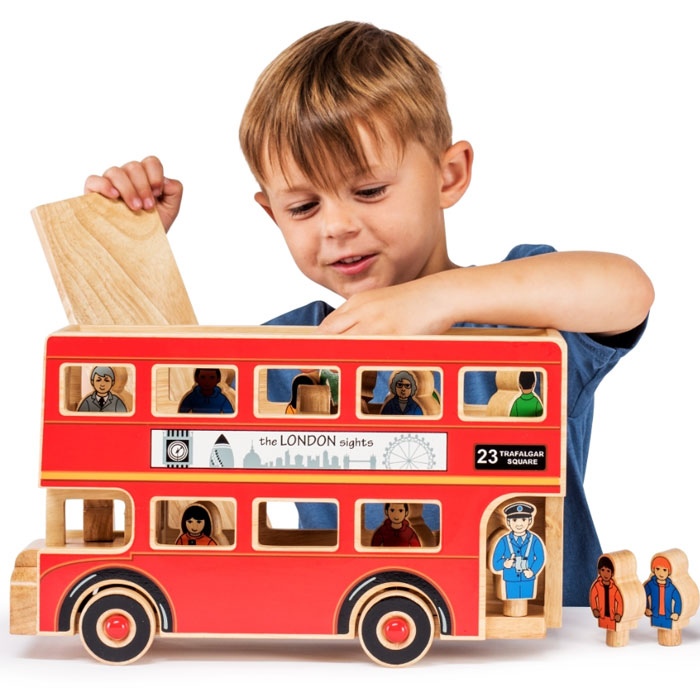
The wooden Noah’s Arks are the ones our customers come back for, especially the larger sets, and they are very often bought by grandparents for a christening or a special birthday. They are not cheap, but they are substantial, traditional toys made for years of imaginative play, with the potential to become a family heirloom. Smaller sets, such as the red London bus with its removable wooden passengers, come at lower prices. One practical note: the Giant Deluxe Noah’s Ark and its relatives have small parts and are for children aged three and over, so a christening-present ark is one to put on a shelf and bring down later, not a toy for the baby on the day.
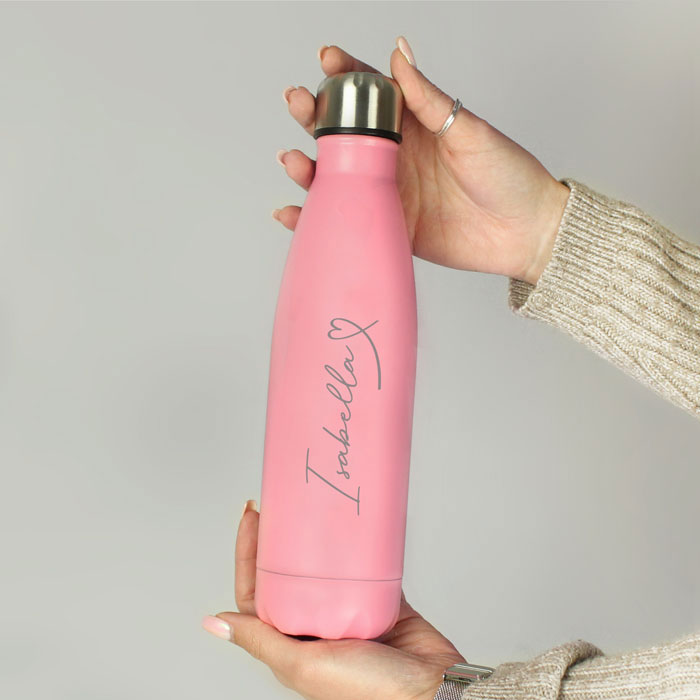
A reusable water bottle that a child takes to school every day is the other practical choice. Our personalised stainless steel bottles hold 500 ml of cold water, and having the child’s name on the bottle means it comes home instead of ending up in lost property (check the bottle suits the child’s age and that they can manage the cap). Taken to school every day it saves a lot of single-use bottles; bought for a child who already has a perfectly good one, it saves nothing.
Most of our personalised gifts are dispatched straight from the workshop that makes them to the customer, rather than coming to us first to be repacked and sent on again. In principle that removes a handling and transport stage, although we have not measured the overall carbon benefit, and an order with several items may still arrive as separate parcels. On packaging, we have occasionally had feedback about orders arriving with more than they needed. Our suppliers have improved in this area over the years, although fragile gifts still need protecting on the way.
Our number-one tip
Make caring for the environment an ordinary part of family life, not one more thing for children (or parents) to feel guilty about. Start young, keep it light and keep it fun: taps off, recycling sorted, something growing in a pot, a broken toy mended, and plenty of time outdoors, because a child who loves being in nature will want to look after it. When you buy presents, think about quality and how long something will be used rather than how much of it there is; one good toy that is played with for years and passed on beats a pile that is forgotten by spring. And if the good toy already in the house happens to be plastic, keep playing with it. That is the greenest option of all.
If you are interested in where things come from, our guide to Fair Trade explains what the label does and does not mean.